
2026 HIPAA Security Rule Update: New Requirements Every Healthcare Organization Must Prepare For
Quick Answer: The proposed HIPAA Security Rule update (still not final; OMB now targets July 2027 for final action) would introduce significant changes including mandatory encryption of ePHI at rest and in transit (removing the “addressable” designation), required multi-factor authentication for all systems accessing ePHI, 72-hour incident reporting requirements, annual penetration testing, and enhanced business […]
HIPAA Compliance for Generative AI: What Healthcare Organizations Must Know
HIPAA Compliance for Generative AI: What Healthcare Organizations Must Know Quick Answer: HIPAA compliance for generative AI requires healthcare organizations to treat AI tools like ChatGPT, Gemini, or Copilot as potential business associates when they process electronic protected health information (ePHI). Key compliance requirements include: executing Business Associate Agreements with AI vendors before sharing any […]
AI Security Risks in Healthcare: What Every Organization Needs to Know
AI Security Risks in Healthcare: What Every Organization Needs to Know Quick Answer: AI security risks in healthcare include unauthorized ePHI exposure through AI model training data, prompt injection attacks that extract sensitive information, AI-generated hallucinations leading to incorrect clinical decisions, supply chain vulnerabilities in AI dependencies, and insider threats amplified by AI-powered data access. […]
Network Vulnerability Assessments and HIPAA: Why Your SRA Isn’t Complete Without One

Quick Answer: A HIPAA network vulnerability assessment is a technical evaluation that scans your healthcare network infrastructure to identify security weaknesses that could expose electronic protected health information (ePHI). It involves scanning servers, workstations, firewalls, routers, and connected devices for known vulnerabilities, misconfigurations, and outdated software. HIPAA does not explicitly mandate vulnerability assessments, but they […]
How to Adapt to HIPAA Security Rule Changes: A Practical Guide
Quick Answer: To conduct a HIPAA risk assessment, follow these steps: (1) identify all systems that create, receive, maintain, or transmit ePHI, (2) identify potential threats and vulnerabilities to each system, (3) assess current security measures and their effectiveness, (4) determine the likelihood and impact of each threat exploiting a vulnerability, (5) assign risk levels […]
What Is a HIPAA Security Risk Analysis? The Complete Guide for 2026

What Is a HIPAA Security Risk Analysis? The Complete Guide for 2026 Spreadsheets and filing cabinets won’t cut it anymore. If your organization handles ePHI, a dedicated HIPAA compliance platform isn’t a luxury; it’s how you stay ahead of audits, avoid penalties, and actually make compliance manageable. The compliance landscape shifted in 2025 and continues […]
HIPAA Security Rule Changes in 2026: What You Need to Know (and Do) Now
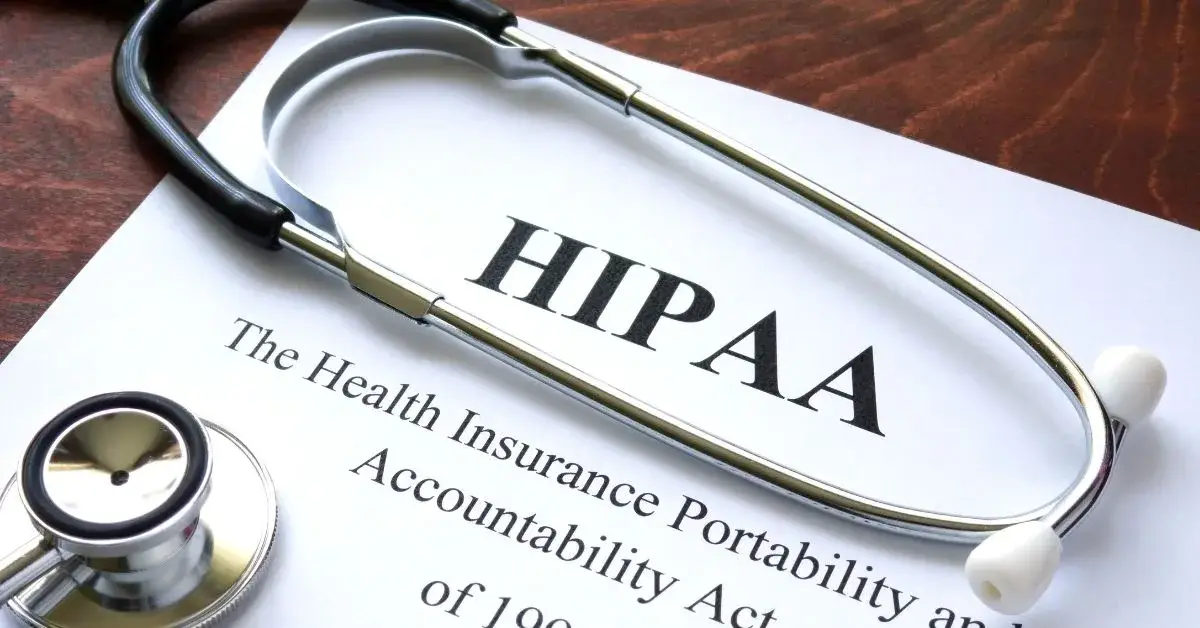
Quick Answer: The HIPAA Security Rule changes for 2026, proposed by HHS in December 2025, include mandatory encryption of all ePHI at rest and in transit (eliminating the “addressable” loophole), required multi-factor authentication (MFA) for ePHI access, 72-hour system restoration and 24-hour incident notification to HHS, annual penetration testing, vulnerability scanning every six months, and […]
The Human Firewall: Why Culture Beats Code in HIPAA Security

Quick Answer: The “human firewall” in healthcare refers to building a security-conscious workforce culture where every employee serves as a line of defense against data breaches and cyber threats. Human error causes the majority of healthcare data breaches — including phishing clicks, improper access, lost devices, and verbal disclosures of patient information. Building an effective […]
Showing Your Work: What HIPAA Compliance Actually Looks Like

Quick Answer: Showing Your Work is a critical component of HIPAA compliance for healthcare organizations. Understanding and implementing the requirements helps protect patient data, avoid costly penalties, and maintain trust with patients and partners. A thorough Security Risk Assessment is the foundation for identifying and addressing compliance gaps. Showing Your Work: What HIPAA Compliance Actually […]
Why Medcurity Is the HIPAA Compliance Solution Large Hospitals Need in 2025

Quick Answer: Why Medcurity Is the HIPAA Compliance Solution Large Hospitals Need in 2025 is a critical component of HIPAA compliance for healthcare organizations. Understanding and implementing the requirements helps protect patient data, avoid costly penalties, and maintain trust with patients and partners. A thorough Security Risk Assessment is the foundation for identifying and addressing […]